

Herbert Hinteregger
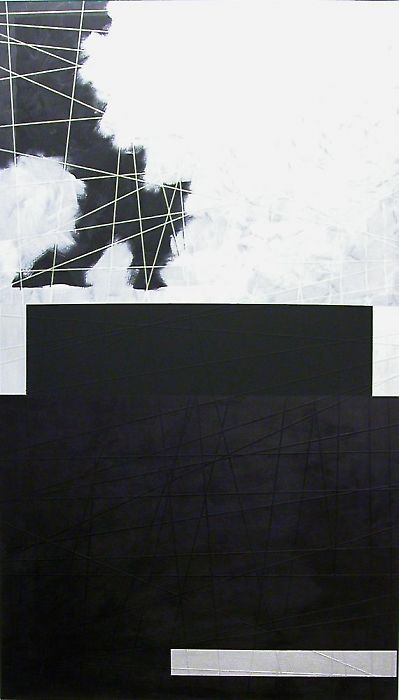
1
Untitled (Galway)
2008
ball-pen ink on canvas
160 x 90 cm
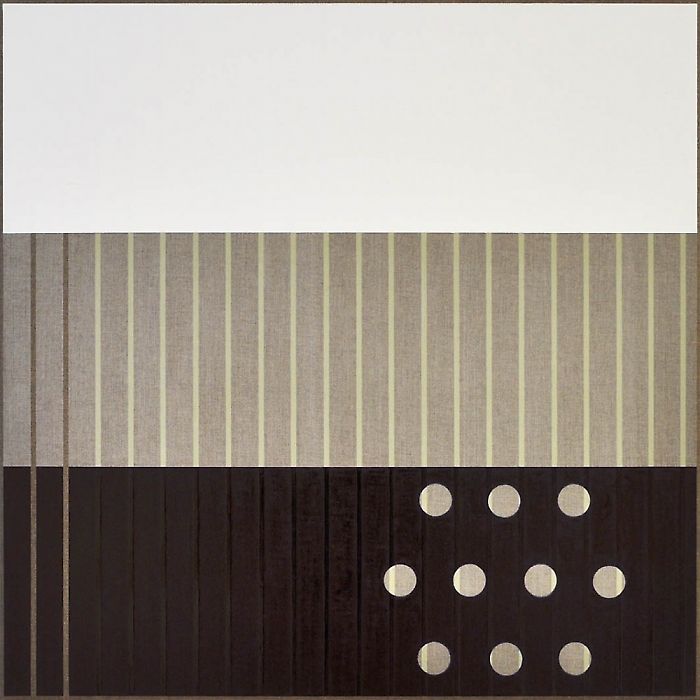
2
Untitled (Ennis), 2011
Ball-pen ink on canvas
80 x 80 cm
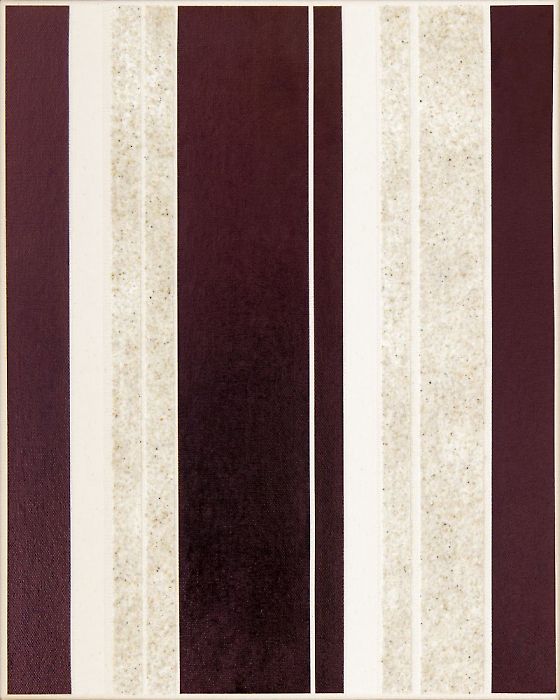
3
Untitled (Wenningstedt), 2016
ball pen ink and sea sand on sailcloth
50 x 40 cm
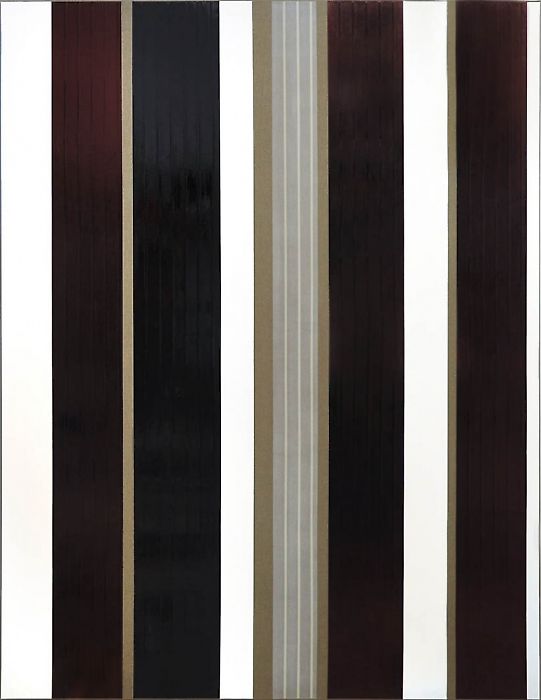
4
Untitled (Ballinskelligs), 2011
Ball-pen ink on canvas
200 x 150 cm
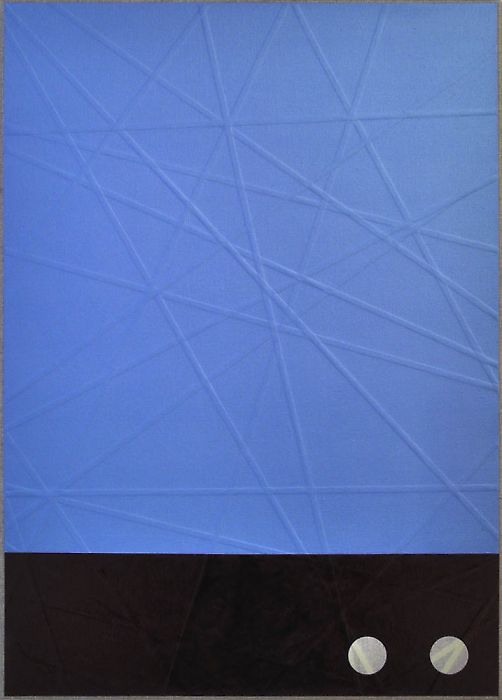
5
Untitled (Connemara), 2011
Ball-pen ink on canvas
70 x 50 cm
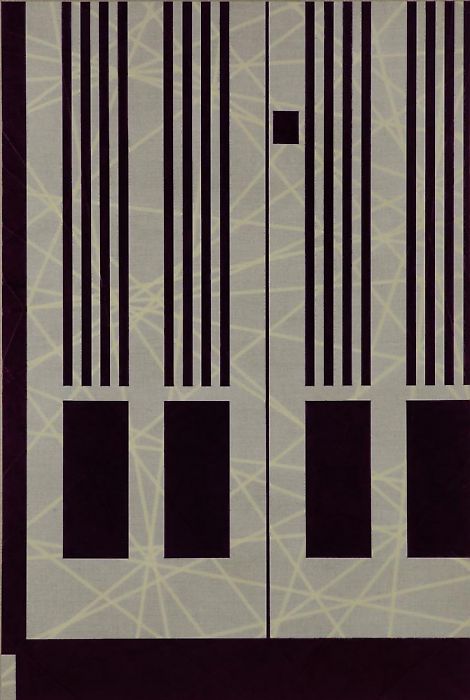
6
Untitled (Nohoval) after W.W., 2010
Ball-pen ink on canvas
120 x 80 cm
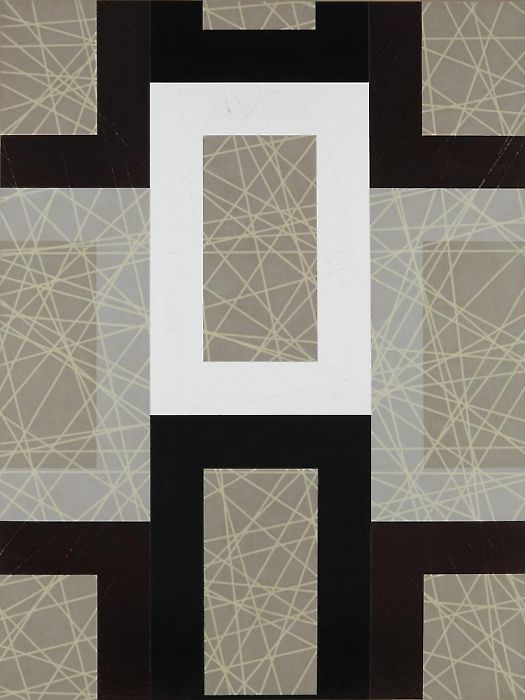
7
Untitled (Mizen Head) after Jordan, 2010
Ball-pen ink on canvas
200 x 150 cm
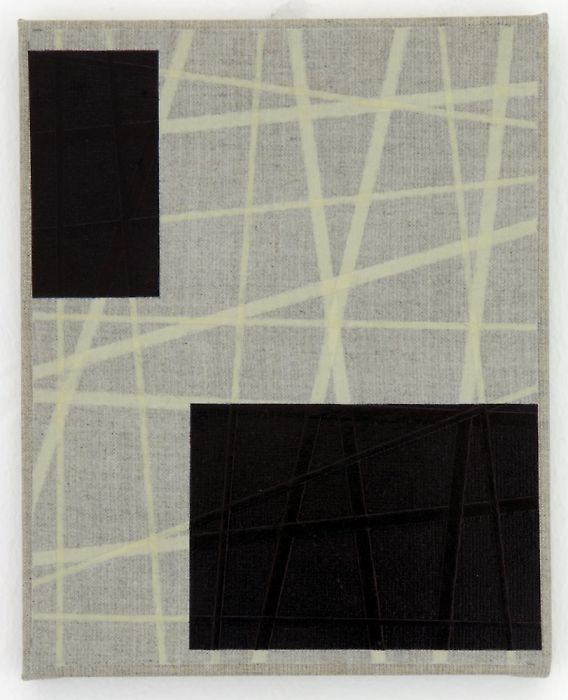
8
Untitled (Bray), 2008
Ball-pen ink on canvas
30 x 24 cm
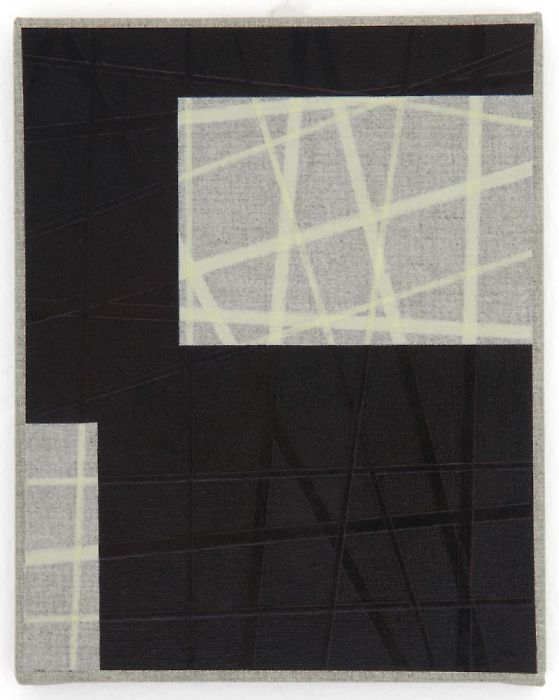
9
Untitled (Canglass), 2008
Ball-pen ink on canvas
30 x 24 cm
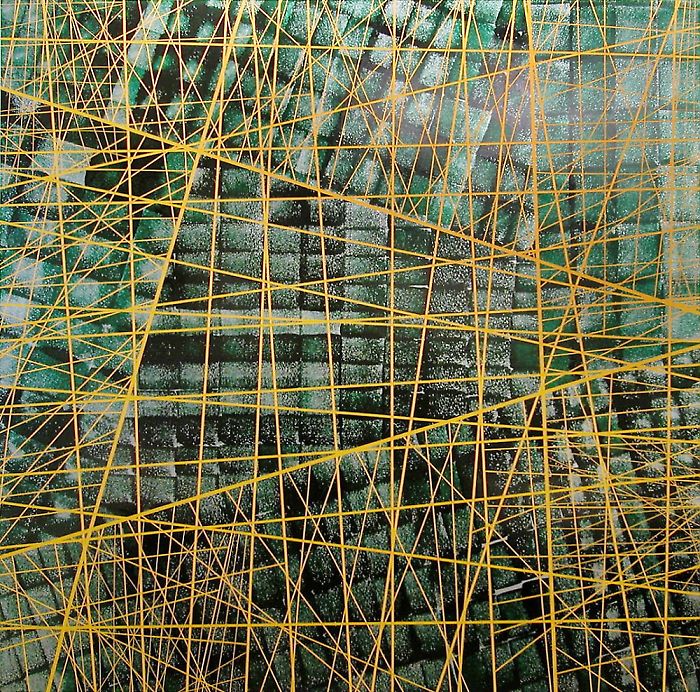
10
Untitled (there is only one way), 2006
Ball-pen ink on canvas
200 x 200 cm
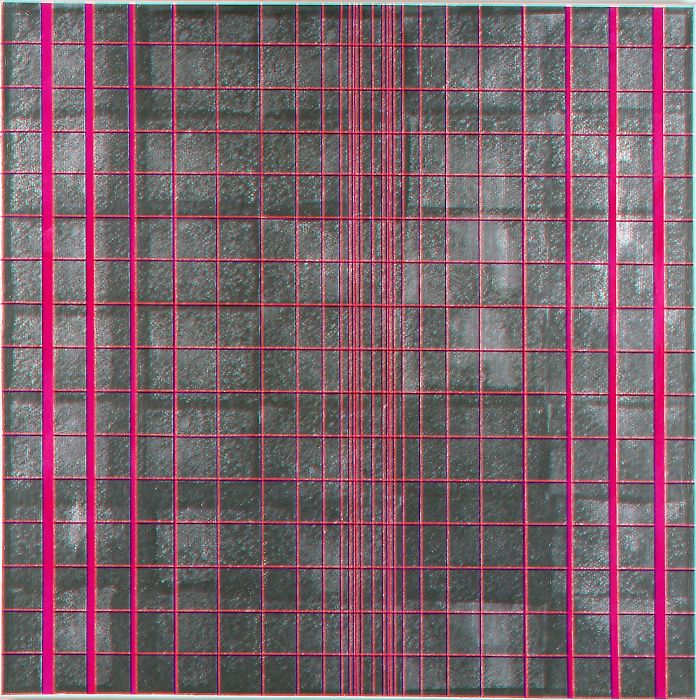
11
Untitled (B s nightmare), 2006
Ball-pen ink on canvas
80 x 80 cm
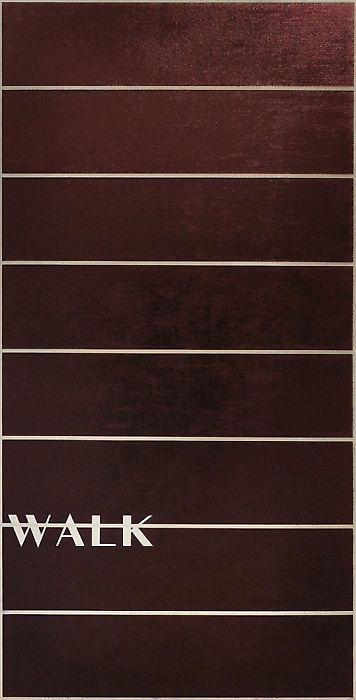
12
Untitled (Kilrush), 2011
Ball-pen ink on canvas
120 x 60 cm
Herbert Hinteregger
Over the years, Herbert Hinteregger (1970, lives and works in Kirchberg/AT) has consistently developed an artistic vocabulary that focuses on the use of ink from ballpoint pens as his painterly material. Beside almost monochromatic pictures for which he first squeezed out Bic pens to then apply the ink with paintbrushes or sponges to the canvas, usually geometric pen drawings emerged, but he also created numerous spatial works where the main element consists in the transparent sheaths of the empty pens. The exclusive use of this material, a cheap, recyclable disposable object, in Hinteregger’s overall work represents a reduction and a focus on minimal basic materials. By way of this limitation, he consciously relies on fundamental questions of painting linked to the material he uses. Visual space and depth, the reduction of the formal language, and at the same time constructive material positions, the varying density of the layers of ink and the question of the ideal standpoint influence Hinteregger’s thought. His spatial installations are also shaped by his engagement with these questions. In the work all over, the walls, ceiling, and floor are covered with countless empty ballpoint pens, and in so doing all fixed points and centers are dissolved. Here too the image first emerges with the movement of the beholder, who perceives a space-filling thicket of ballpoint pens. Information itself has here disappeared, content appears as illegible codes that integrate chance and their decoding in the infinity of possibilities of how to read to these transparent and permeable bearers of information.
Recently his works were shown in solo exhibitions at the kunsthaus muerz, Mürzzuschlag (2022), Galerie im Taxispalais, Innsbruck (2017), RLB Atelier, Lienz (2016), Georg Kargl Fine Arts, Vienna (2010, 2004, 2001, 1999), Georg Kargl Permanent, Vienna (2006), Neue Galerie am Landesmuseum Joanneum, Graz, MUMOK, Vienna (2005) and Kunstraum Innsbruck (2004).