

David Maljkovic
1
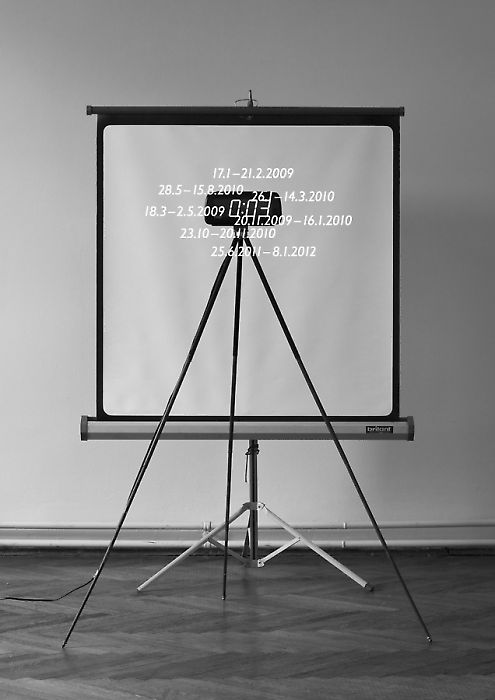
Poster for Secession, 2011
inkjet print by David Maljković and Toni Uroda
84,1 x 118,9 cm, Ed. 30
2
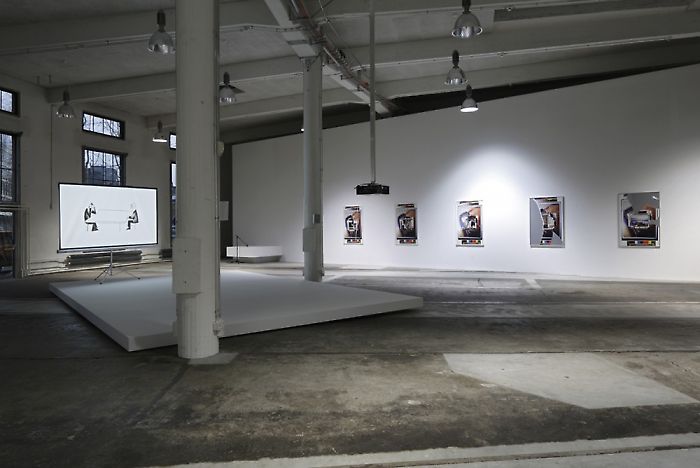
Exhibition view, LOK, St. Gallen, 2014
3
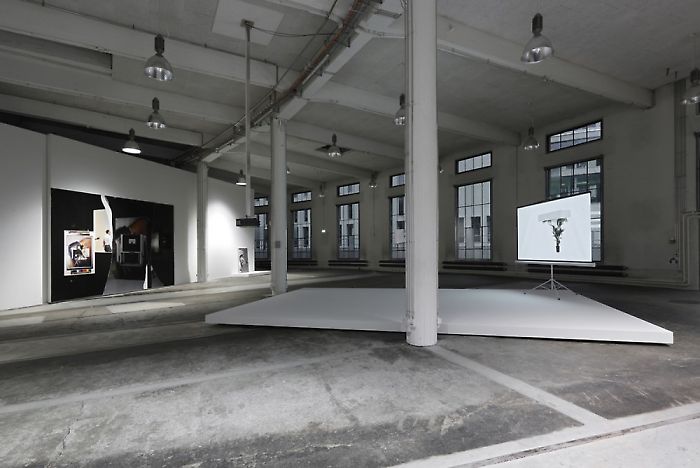
Exhibition view, LOK, St. Gallen, 2014
4
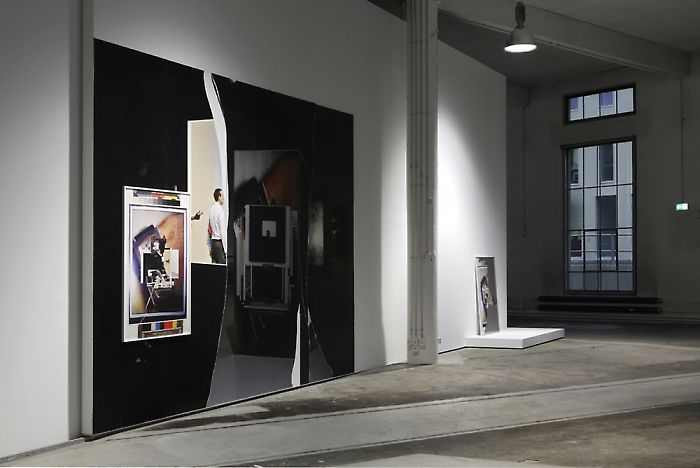
Exhibition view, LOK, St. Gallen, 2014
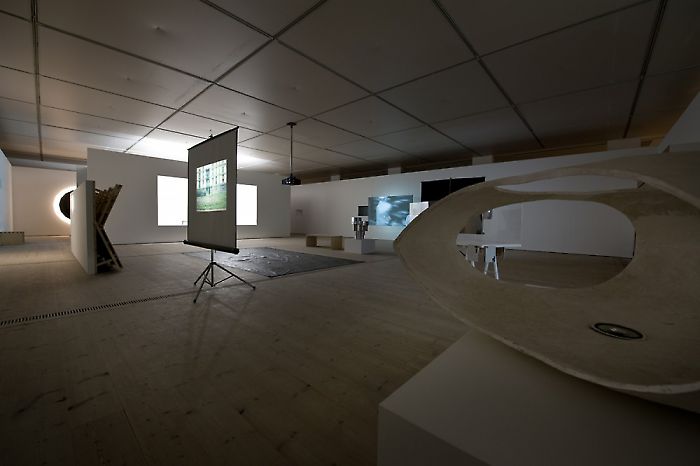
5
Exhibition view, Baltic, 2013
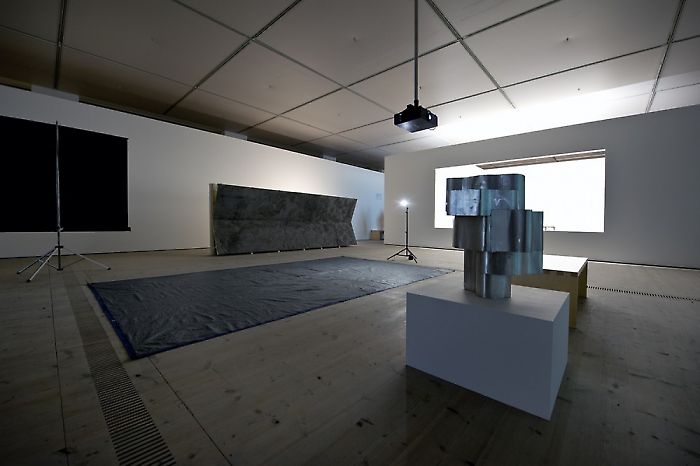
6
Exhibition view, Baltic, 2013
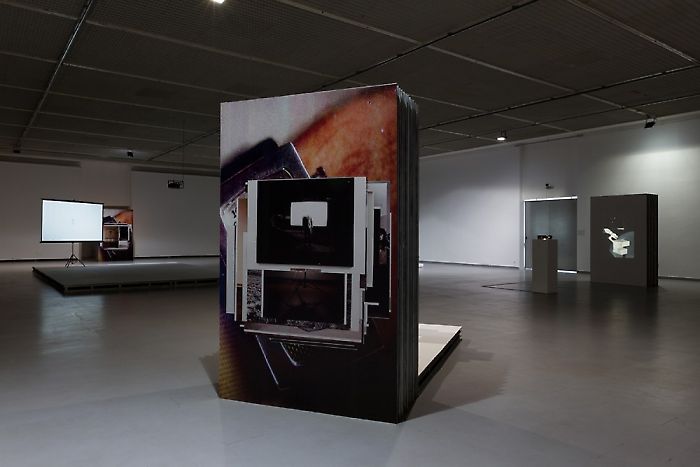
7
Exhibition view, Vilnius, 2013
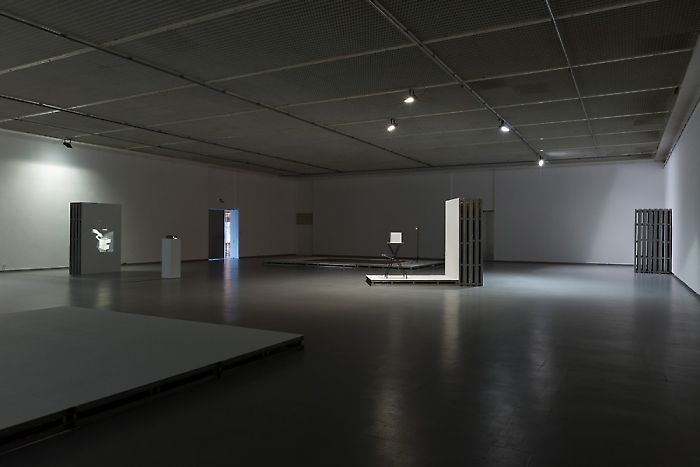
8
Exhibition view, Vilnius, 2013
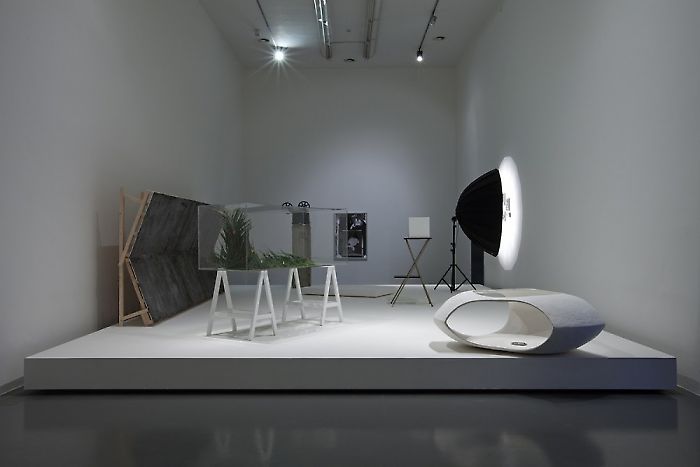
9
Exhibition view, GAMeC, Bergamo, 2013
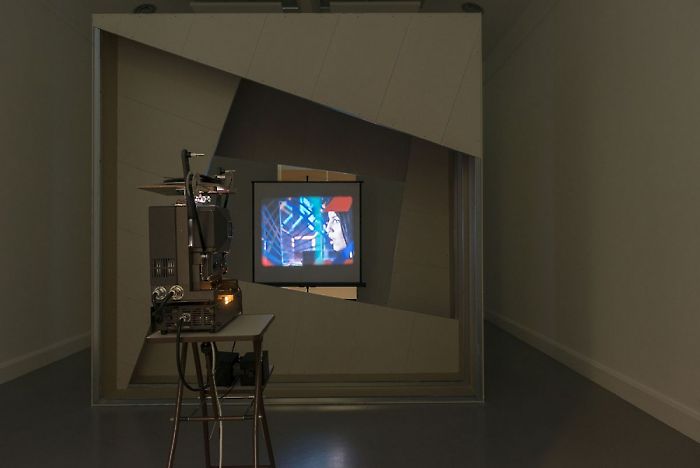
10
Exhibition view, Van Abbemuseum, 2012
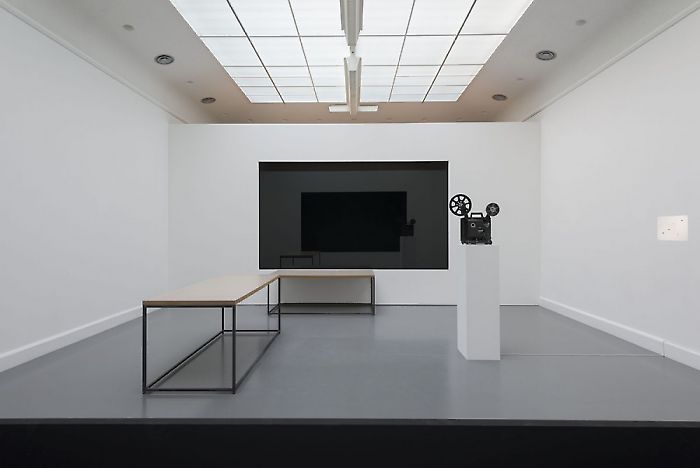
11
Exhibition view, Van Abbemuseum, 2012
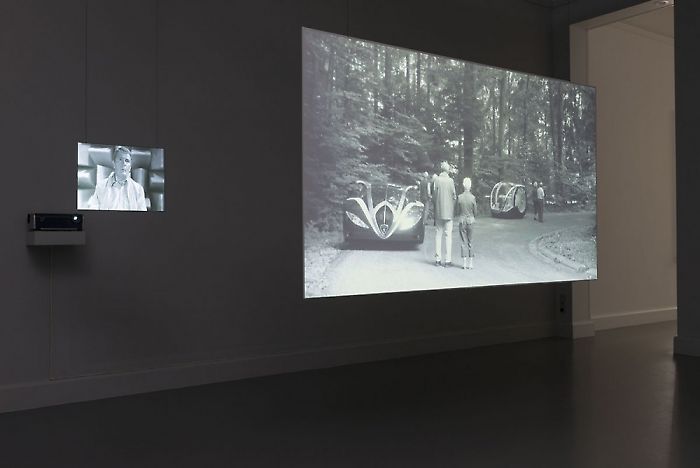
12
Exhibition view, Van Abbemuseum, 2012
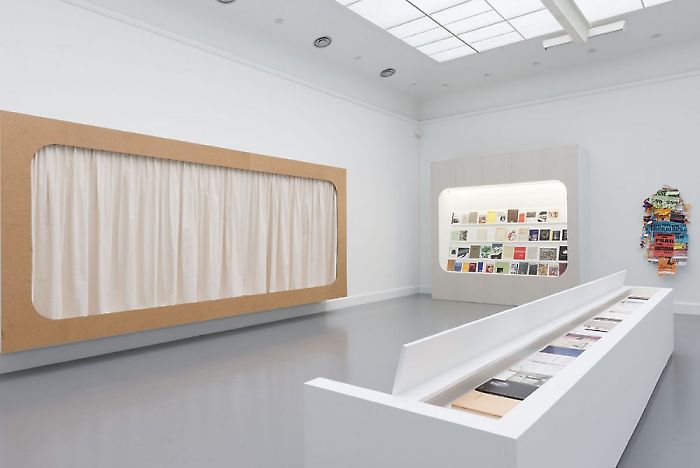
13
Exhibition view, Van Abbemuseum, 2012
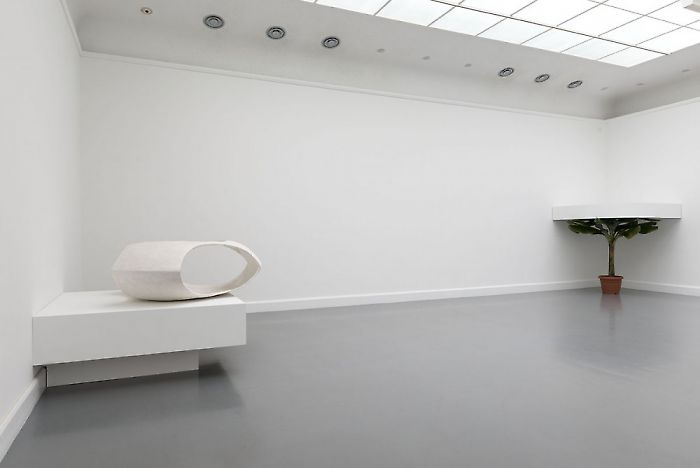
14
Exhibition view, Van Abbemuseum, 2012
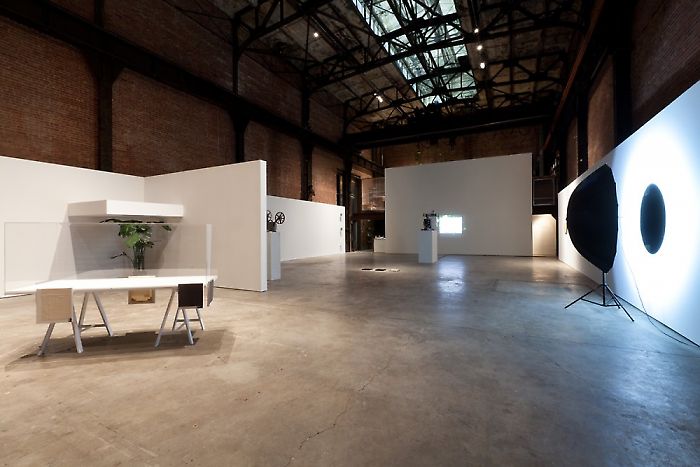
15
Exhibition view, Sculpture Center, New York, 2012
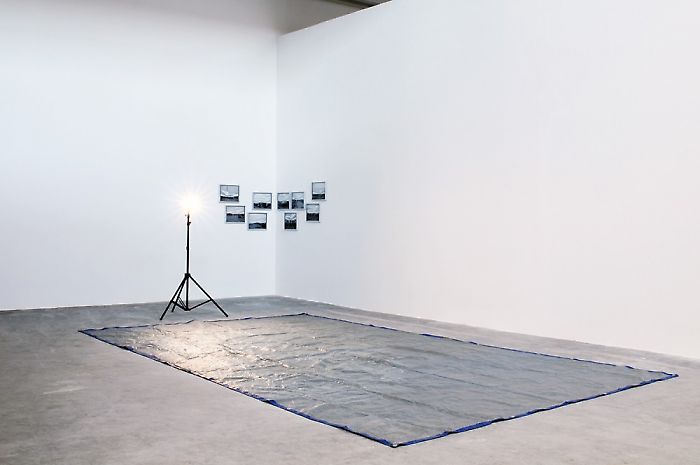
16
17
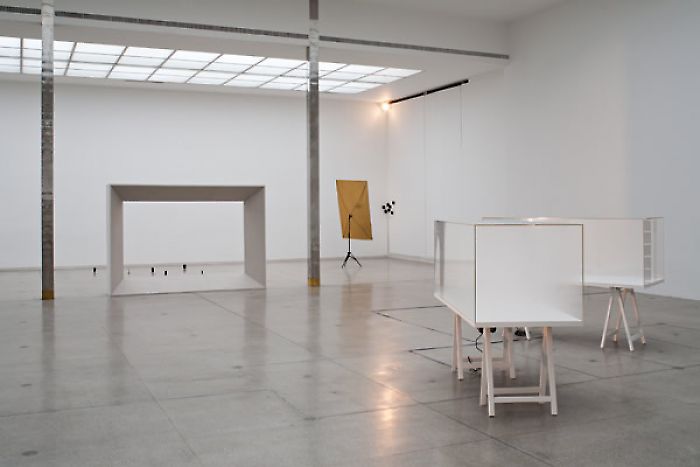
Exhibition view, Secession, 2012
18
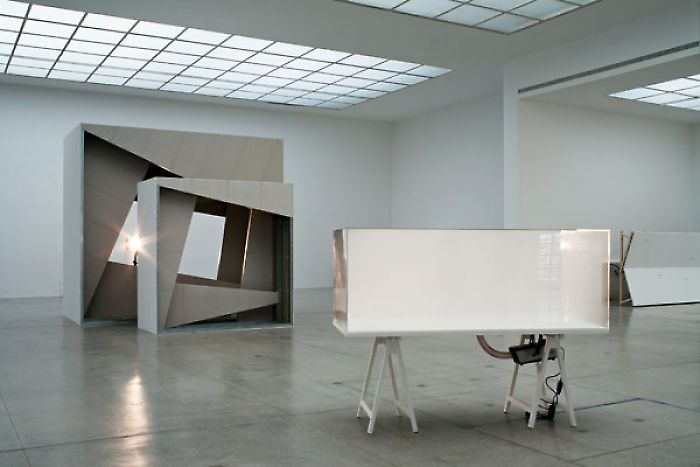
Exhibition view, Secession, 2012
19
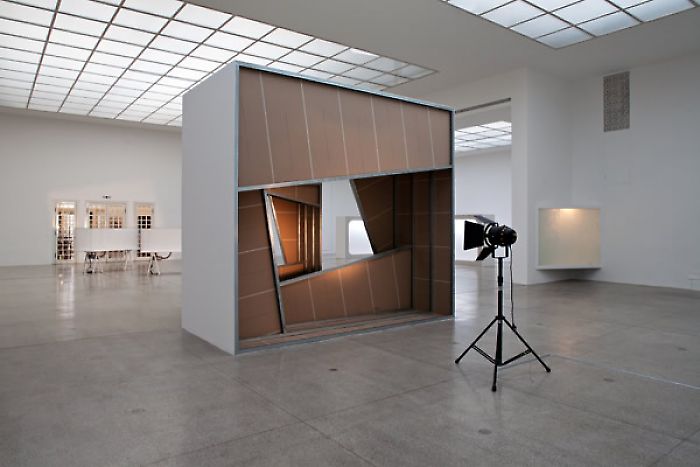
Exhibition view, Secession, 2012
20
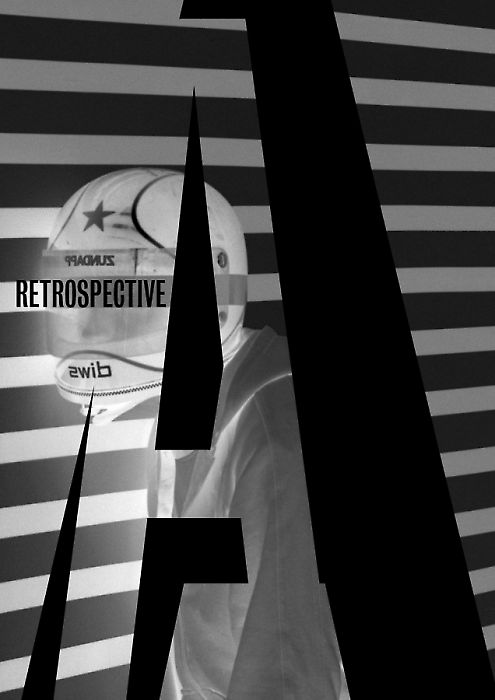
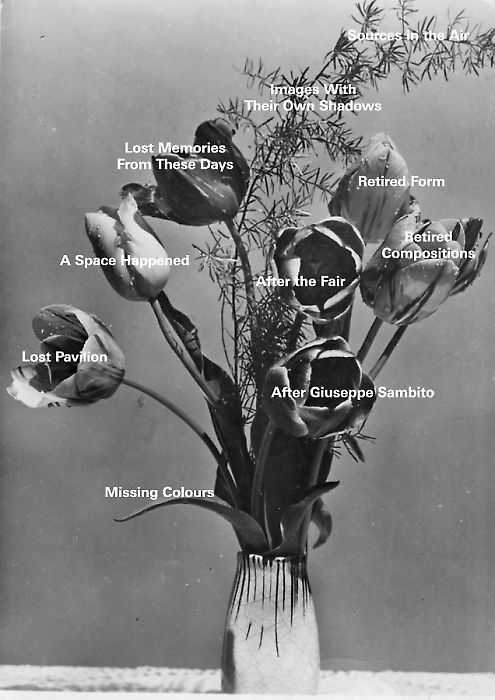
Poster for Secession, 2011
inkjet print by David Maljković and Toni Uroda
84,1 x 118,9 cm, Ed. 30
21
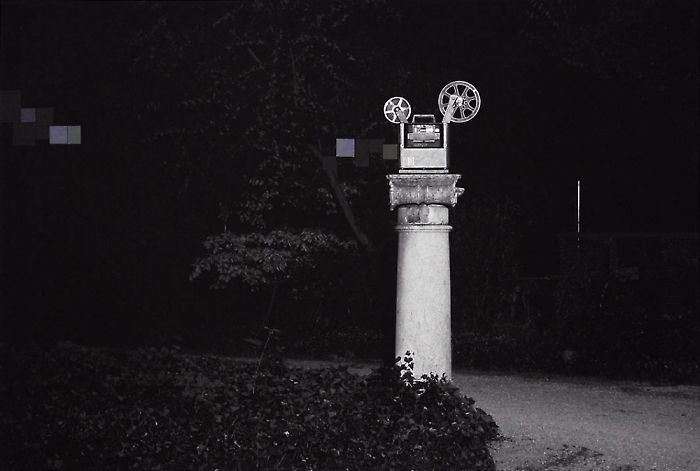
Poster for Secession, 2011
inkjet print by David Maljković and Toni Uroda
84,1 x 118,9 cm, Ed. 30
22
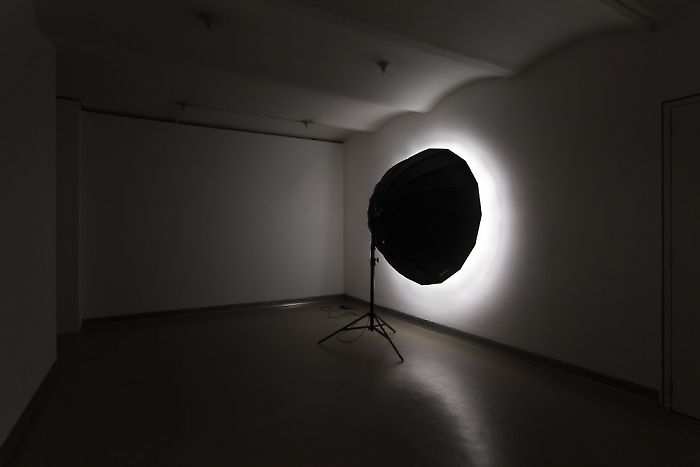
Temporary Projections Cycle, 2011
inkjet print, collage, oil on canvas
100 x 150 cm, unique
23
Temporary Projections Cycle, 2011
9 paintings in oil and chalk on canvas behind umbrella
dimension variable (260 x 220 x 160 cm)
24
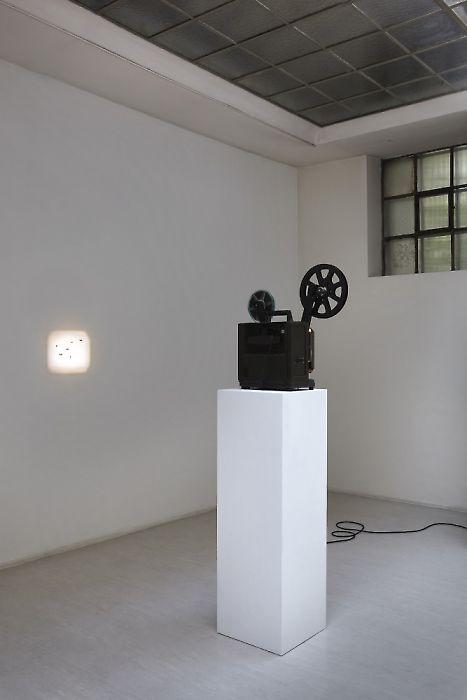
Temporary Projections Cycle, 2011
projector, 6 paintings in oil on canvas, each 1,1 x 1,1 cm
dimension variable (187 x 30 x 190 cm)
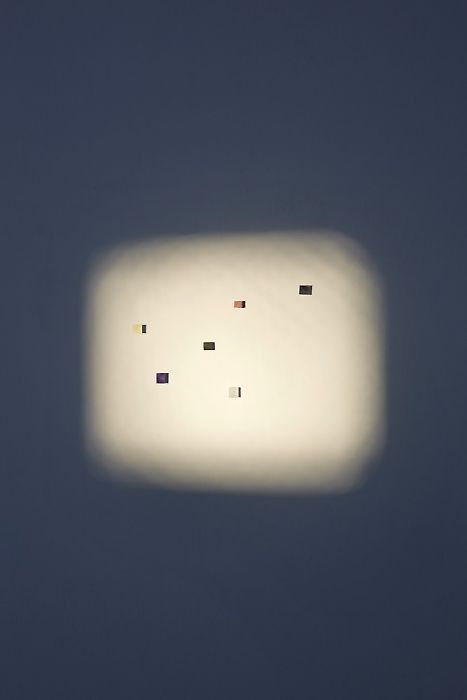
25
Temporary Projections Cycle, 2011
projector, 6 paintings in oil on canvas, each 1,1 x 1,1 cm
dimension variable (187 x 30 x 190 cm)
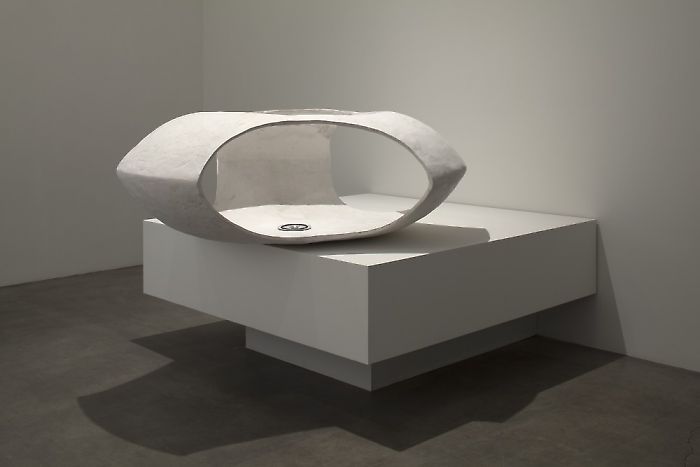
26
Lost Pavilion, 2009
Acrylstal, speaker, cd player, pedastals and seven collages on paper
22 x 53 x 53 inches
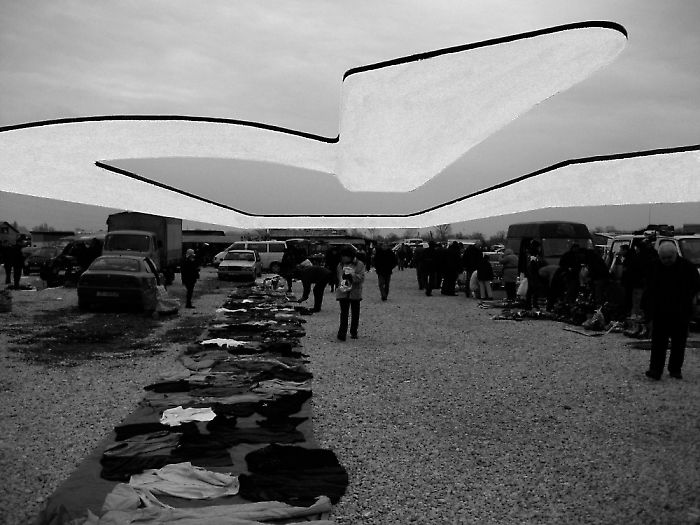
27
After the Fair, 2009
Lamda print
22,5 x 30 cm
David Maljkovic
In his installations, videos, and collages, David Maljković (born 1973 in Rijeka, lives and works in Zagreb) is concerned with aspects of the eventful history of his country. The far-reaching consequences of the transformation from a communist to a capitalist social form and the linked economic and cultural impacts form the subtext of his artistic production. His works often show abandoned buildings and monuments of the 1960s and 1970s, which impressively reflect the promise of a better future, while at the same time evoke failure due to their currently ruinous state, adding a melancholy touch. In taking this step, the artist consciously uses examples where the ideas of a universal, modernistic progress are linked to a specific understanding of socialism as a potentially radical, experimentally modernistic concept. The combination makes clear the exemplary outlines of his approach, which equally counts the inclusion of research, as well as the interweaving of past, future, and present.
Selected exhibitions: With the Collection, Museum of Modern and Contemporary Art, Rijeka (2020); Also on View, The Renaissance Society, Chicago (2019); Mario Merz Prize 3rd Edition. The Finalists, Fondazione Merz, Turin (2019); Again and Again, Museum of Contemporary Art Metelkova, Ljubljana (2016); A Retrospective by Appointment, the Nova Gallery, HDD (The Croatian Designers Association), the artist’s studio and Cinema Tuskanac, Croatian Film Association, Zagreb (2015); In Low Resolution, Palais de Tokyo, Paris (2015); Kunstmuseum St. Gallen, St. Gallen (2014); Morgenlied, Kunsthalle Basel, Basel (with Latifa Echakhch) (2014); Sources in the Air, Van Abbemuseum, Eidhoven (2012), traveling to BALTIC Center for Contemporary Art, Gateshead and GAMeC, Bergamo (2013); New Reproductions, CAC Contemporary Art Center, Vilnius (2012); SculptureCenter, New York (with Lucy Skaer) (2012); Exhibitions for Secession, Secession, Vienna (2011); Out of Projections, Museo Reina Sofía, Madrid (2009); Almost Here, Kunstverein Hamburg 2007 and MoMA PS1, New York (2007).
He participated at the 11th Gwangju Biennale (2016), the 56th Venice Biennale (2015) and the 29th São Paulo Biennial (2010).
His work is represented in the collections of Kunstmuseum Liechtenstein, MUMOK (Vienna), Tate Collection (London), Centre Pompidou (Paris), Museum of Modern Art (New York), Ludwig Museum of Contemporary Art (Budapest) and Stedelijk Museum (Amsterdam).